Maximising sponsorship opportunities in hybrid events
If you’re a hybrid event planner looking to attract sponsorship, a clear event sponsorship strategy is essential. Hybrid events offer far more than a simple combination of in-person and online attendance. They create new ways for sponsors to reach audiences, grow visibility, generate leads and measure the value of their involvement.
Hybrid events are changing how businesses, associations and organisations connect with audiences. By blending the advantages of physical and virtual experiences, hybrid event planners can increase engagement, expand global reach and unlock new commercial opportunities.
As sponsorship remains a critical driver of event revenue, this shift gives organisers the chance to build stronger strategic event partnerships. With the right planning, sponsors can benefit from greater brand exposure, more meaningful audience interaction and clearer evidence of return on investment.

Expanding sponsor reach through strategic event partnerships.
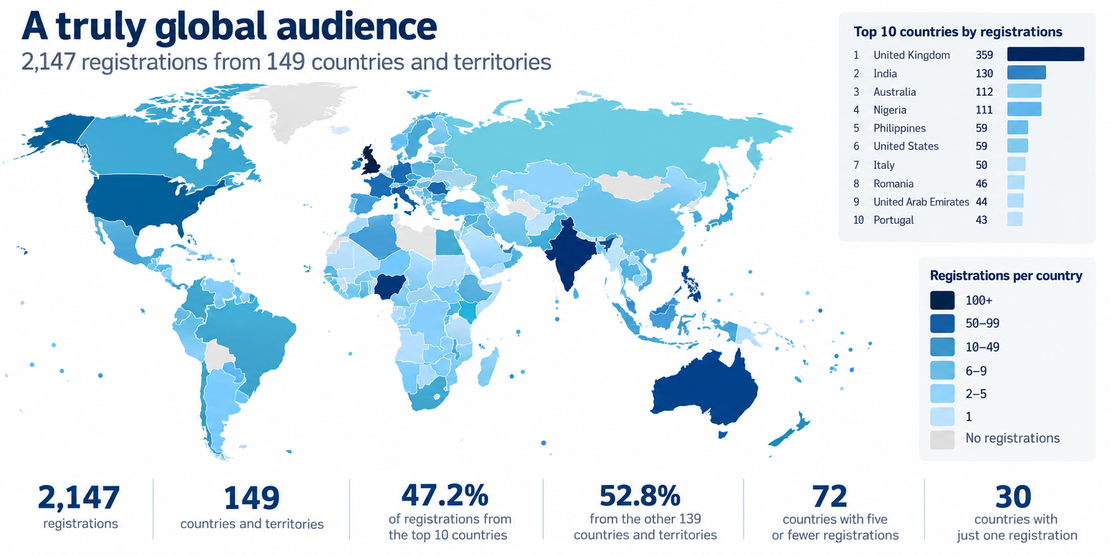
One of the most significant advantages of hybrid events is the ability to attract both in-person and virtual attendees from around the world. This expanded audience gives sponsors broader visibility and the opportunity to connect with more diverse potential customers.
By removing geographic limitations, hybrid events allow sponsors to reach new markets, sectors and demographics. Instead of being limited to the people physically present at a venue, sponsors can engage with attendees joining remotely from different regions, countries and time zones.
This wider reach is one of the clearest sponsor benefits for virtual events and hybrid event formats. It enables organisations to offer sponsors more value, especially when the event has an international audience or serves a specialist professional community.
Tip: Use custom registration forms or live polls during your event to collect audience data, such as geographical location. Sharing these insights with sponsors showcases the extensive reach of your event, encouraging their continued support for future conferences.
Increase sponsorship touchpoints
Hybrid events offer multiple touchpoints for sponsors to connect with attendees, both physically and digitally. These can include branded content, virtual booths, sponsored sessions, interactive polling, gamification, digital signage, platform banners, email branding and sponsor-led resources.
This gives organisers more flexibility when creating digital event sponsorship packages. Instead of relying only on traditional sponsorship benefits such as banners, exhibition stands or printed materials, hybrid events allow sponsors to appear across several stages of the attendee journey.
A strong brand sponsorship strategy for events should consider every point where attendees interact with the event. This includes the registration process, pre-event emails, live sessions, networking areas, sponsor pages, downloadable resources, post-event follow-ups and on-demand content.
Tip: Provide sponsors with a mix of in-person and virtual branding opportunities. For instance, signage at the venue can be complemented with logos on the virtual event platform, email communications, and live streams. By integrating these elements into your online event production strategy, you enhance the value of sponsorship packages and create a seamless hybrid experience.
Enhance engagement through digital interactions
Hybrid and online events create innovative and engaging ways for sponsors to interact with attendees. Digital engagement tools such as live Q&A sessions, virtual breakout rooms, polls, chat functions and downloadable resources allow sponsors to connect directly with participants in real time.
These interactions can be designed to feel relevant and useful rather than intrusive. For example, a sponsor might host a short expert session, support a panel discussion, provide an exclusive guide, or take part in a moderated Q&A linked to the event theme.
This is where sponsorship packages for virtual events can become especially valuable. Virtual sponsorship does not need to mean passive logo placement. It can include active participation, useful content and measurable audience engagement.
Tip: Design sponsored engagement opportunities like branded Q&A sessions, giveaways, or exclusive content to encourage meaningful attendee-sponsor interactions. Pair these opportunities with in-person activations to create a cohesive hybrid experience that highlights the unique benefits of hybrid events.
Leverage data and analytics for sponsorship value
One of the major benefits of hybrid events is the amount of actionable data they can generate. Sponsors can gain detailed insights into attendee behaviour, including session attendance, content downloads, poll responses, engagement with sponsored materials and time spent in virtual booths.
These insights help sponsors measure ROI and refine their wider marketing activity. For organisers, they also provide a stronger value proposition when selling sponsorship packages, because the benefits can be supported by real data rather than assumptions.
A well-planned event sponsorship strategy should include clear reporting before, during and after the event. This gives sponsors confidence that their investment is being measured and that their involvement is contributing to meaningful outcomes.
Tip: When presenting sponsorship packages, emphasize the data analytics capabilities of your hybrid event platform. Offer customized reports that provide sponsors with a clear understanding of attendee behaviour and the impact of their sponsorship. Highlighting these analytics strengthens your value proposition.
Maximise post-event engagement with on-demand content
Hybrid events can extend sponsorship value long after the live event has ended. Recorded sessions can be made available on demand, allowing attendees to revisit content and giving sponsors continued visibility.
This post-event value is particularly important for sponsors who want long-term exposure. Rather than limiting sponsorship to a single event day, organisers can create ongoing visibility through session recordings, highlight reels, email campaigns, resource hubs and social media content.
On-demand content also supports lead generation and audience nurturing. Attendees who missed sessions, joined from different time zones or want to revisit key presentations can continue engaging with the event, and with sponsor messaging, long after the live programme has finished.
Tip: Include post-event branding opportunities in your sponsorship packages, such as sponsor logos on on-demand videos, follow-up emails, or sponsored highlights reels shared on social media or your event website. Ensure that your online event production strategy incorporates these valuable post-event opportunities.
A powerful tool for hybrid event planners
Hybrid events offer significant opportunities for sponsors to connect with both in-person and virtual audiences. They create a flexible platform that can deliver wider reach, deeper engagement and stronger measurable value.
By combining physical and digital branding, interactive touchpoints, meaningful content opportunities and robust analytics, hybrid event planners can create sponsorship packages that appeal to sponsors while improving the attendee experience.
With a clear brand sponsorship strategy for events, well-structured digital event sponsorship packages and a focus on building genuine strategic event partnerships, hybrid events can become a powerful way to generate sponsorship revenue and deliver exceptional value for organisers, sponsors and attendees alike.