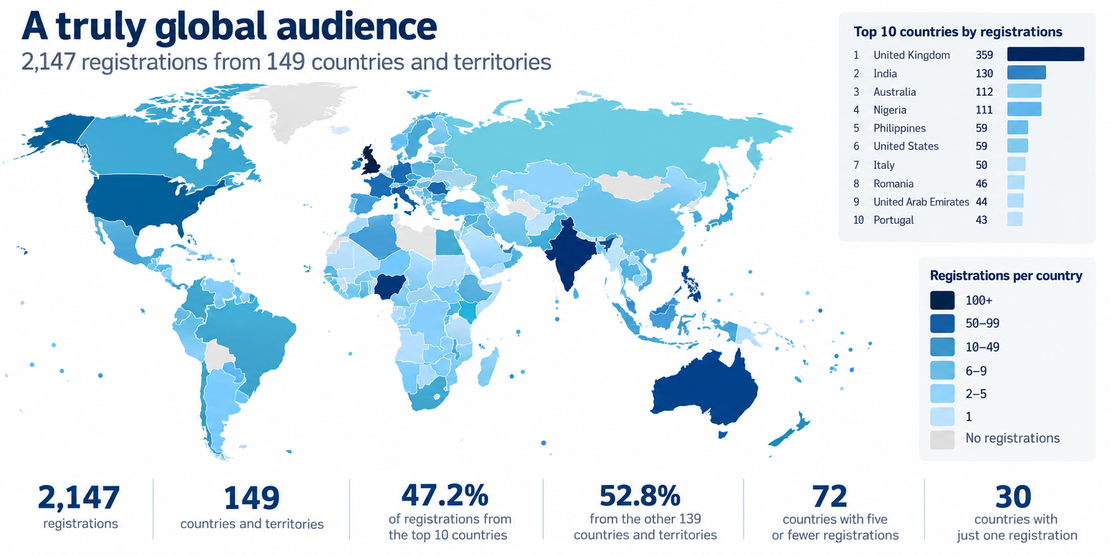
Producing successful hybrid events is fast becoming the standard, not the exception. If you’re not planning for both in-person and online audiences at your next event, you’re already a step behind. According to Markletic’s 2023 survey, 71% of event planners now see hybrid formats as the future. And with 86% of B2B organisations reporting a positive return on investment, this isn’t a passing trend; it’s the new baseline.
That said, hybrid brings complexity. The tech, the timing, the engagement; everything needs to work together. And that’s where your choice of production partner really matters. Whether you’re planning a leadership summit, product launch, or educational event, you need a team with proven experience who can manage the details and keep things running to plan.
Here’s what to look for:
Step 1: Define your goals
Before you speak to anyone, be clear about your goals, and what hybrid actually means for your event. Will your in-person and online audiences take part in the same sessions at the same time? Will people be able to watch content later? How much of the experience needs to be live?
There’s more than one way to produce successful hybrid events, so it’s worth defining what success looks like for your format, audience, and objectives. If you’re still working that out, take a look at our blog on hybrid event formats to help narrow the focus.
Step 2: Understand what they’re actually offering
Not all hybrid event production means the same thing. Some providers will handle the AV at the venue and stop there. That leaves you to source a separate supplier to handle the virtual participant interface or manage it yourself, neither of which is ideal.
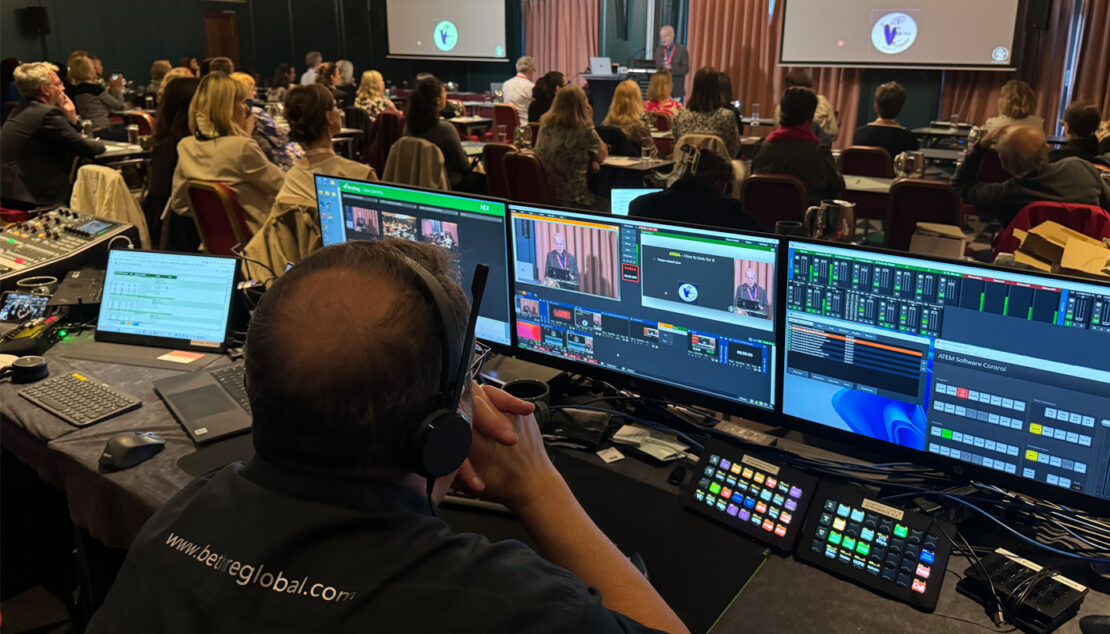
Look for a team that handles the full experience: broadcast-quality AV on-site and a virtual platform that’s robust, branded, and built for interaction. The best partners aren’t just tech suppliers; they’re event collaborators.
Step 3: Look at real-world experience
Look for a partner with real experience in producing successful hybrid events; this isn’t the job for someone finding their feet. Ask for examples; not just case studies, but live footage, feedback, and measurable outcomes. Have they worked in your sector? Do they understand the kind of audience you’re working with?
What to look for:
- A proven track record: not just events that “ran,” but events that made an impact.
- Sector-specific experience: especially in regulated or specialist environments.
- Signs of innovation: are they improving their offer year-on-year?
Step 4: Dig into engagement strategy
It’s not enough to just stream content. Producing successful hybrid events requires deliberate strategies to engage both in-room and online participants.
Ask:
- What interactive tools are used, and are they integrated or bolt-ons?
- Can online and in-person audiences engage with each other, or are they siloed?
- Is feedback captured during and after the event?
Step 5: Be clear on the budget, and what it buys you
Cheaper isn’t always smarter. A low quote might look appealing on paper, but it often means limited support, fewer contingency options, or corners being cut where it matters most. In some cases, it could introduce technical risk that only becomes apparent on the day.
Always ask for detailed, itemised pricing that clearly shows what’s included, from pre-event planning and rehearsals to live-day delivery and post-event assets. That’s where the real value lies, and it’s also where hidden costs or gaps in service can creep in.
If the proposal is vague, overly generic, or missing key details, take that as a red flag.
Step 6: Ask about rehearsals and planning support
Proper production doesn’t begin on event day; it starts well before. A reliable production partner should be involved in planning meetings, understand your agenda and audience, and carry out a site visit to assess the space and infrastructure in advance. These aren’t nice-to-haves; they’re essential. Especially when you’re dealing with new speakers, complex formats, or unfamiliar venues.
Rehearsals are a critical part of this process. They should include:
- Speaker set-up and coaching – making sure presenters are confident, well-framed, and technically ready
- Platform navigation and content runs – checking that transitions, polls, and media assets run smoothly
- Contingency planning and timing cues – so everyone knows what to do if something goes off-script
If you’re serious about delivering a successful hybrid event, none of this can be left to chance. It’s what separates well-run events from the ones that unravel under pressure.
Step 7: Think beyond the day
Post-event deliverables are often where long-term value sits.
Ask about:
- On-demand access and content hosting
- Engagement analytics and viewer data
- Follow-up strategies and how they help you measure success
These elements don’t just wrap up your event; they extend its shelf life.
Final thoughts on producing successful hybrid events
Success takes more than plugging in a camera and hoping for the best. It requires careful planning, coordination, and the right people behind the scenes. People who understand both the in-person and online experience, and know how to make them work together without friction.
Your production partner is not just a supplier. They are part of your core event team. When they do their job well, your audience stays focused and engaged, without being distracted by technical issues or clunky transitions. When they don’t, the cracks show quickly.
That’s why choosing the right partner is critical. Look for someone who asks the right questions, understands what you are trying to achieve, and brings clarity, competence and calm to the entire process. From early planning through to post-event wrap-up, they should make things feel manageable, not overwhelming.
If you are planning a hybrid event and want to avoid the common pitfalls, book a free strategy call to talk through your approach. We’ll help you find the right format, the right setup, and the right level of support to make your event run smoothly and professionally.
FAQ’s
1. What’s the first step in producing a successful hybrid event
Start by defining your goals – what you want attendees to experience, how they’ll interact, and what outcomes you’re measuring. Clarity at this stage sets the direction for every other decision you’ll make when producing your hybrid event.
2. How do I choose the right hybrid event production partner?
Look for a team that provides both in-person AV and a robust virtual platform. The best partners in producing successful hybrid events act as collaborators, not just tech suppliers.
3. Why does real-world experience matter when choosing a production partner?
Experience means fewer surprises. A seasoned production partner brings proven processes, tested technology, and insight into what works – essential for producing hybrid events that run smoothly from rehearsal to live day.
4. What are the signs of a reliable hybrid event production company?
Look for a strong track record, sector-specific experience, and signs of continuous improvement. A great hybrid production partner should be able to show examples, testimonials, and measurable outcomes from past events.
5. What technology is essential for producing a successful hybrid event?
You’ll need broadcast-quality cameras, professional audio, stable connectivity, and a virtual platform that supports interactivity. These elements ensure both audiences receive a professional, engaging experience.
6. How can I keep online and in-person audiences equally engaged?
Use integrated engagement tools – live polls, Q&A, chat, and mixed-audience sessions. Producing a successful hybrid event means planning engagement deliberately, not as an afterthought.
7. What questions should I ask a production partner before hiring them?
Ask about their full-service capability, contingency plans, experience with your sector, and rehearsal process. Producing successful hybrid events depends on clear communication from day one.
8. How do I ensure my hybrid event runs smoothly on the day?
Preparation and communication are key. A good production partner will manage timing cues, transitions, and technical delivery so you can focus on your audience.
9. What engagement metrics should I track after a hybrid event?
Track attendance (both live and online), engagement levels, and post-event replay views. Measuring these helps you understand whether you truly produced a successful hybrid event.
10. How do post-event deliverables add long-term value?
On-demand access, analytics, and follow-up content extend your event’s shelf life. Producing successful hybrid events isn’t just about the day itself – it’s about the ongoing impact.